
Domestic Long Hair Cat: Personality, Feeding & Everyday Care
Key Takeaways
- The domestic long hair cat is not a recognised breed - it’s a wonderfully mixed-heritage cat celebrated for its flowing coat, adaptable personality and gloriously individual character.
- Domestic Longhairs typically weigh between 4–10 kg and live 12–20 years, often benefiting from the hybrid vigour of their diverse genetic background.
- Their gorgeous long coat needs brushing several times a week to prevent mats and reduce hairballs, and a complete, balanced diet supports healthy coat condition from the inside out.
- WHISKAS® cat food offers a full range of nutritious cat foods tailored to every life stage, from curious kittens discovering the world to graceful senior cats savouring life’s rituals.
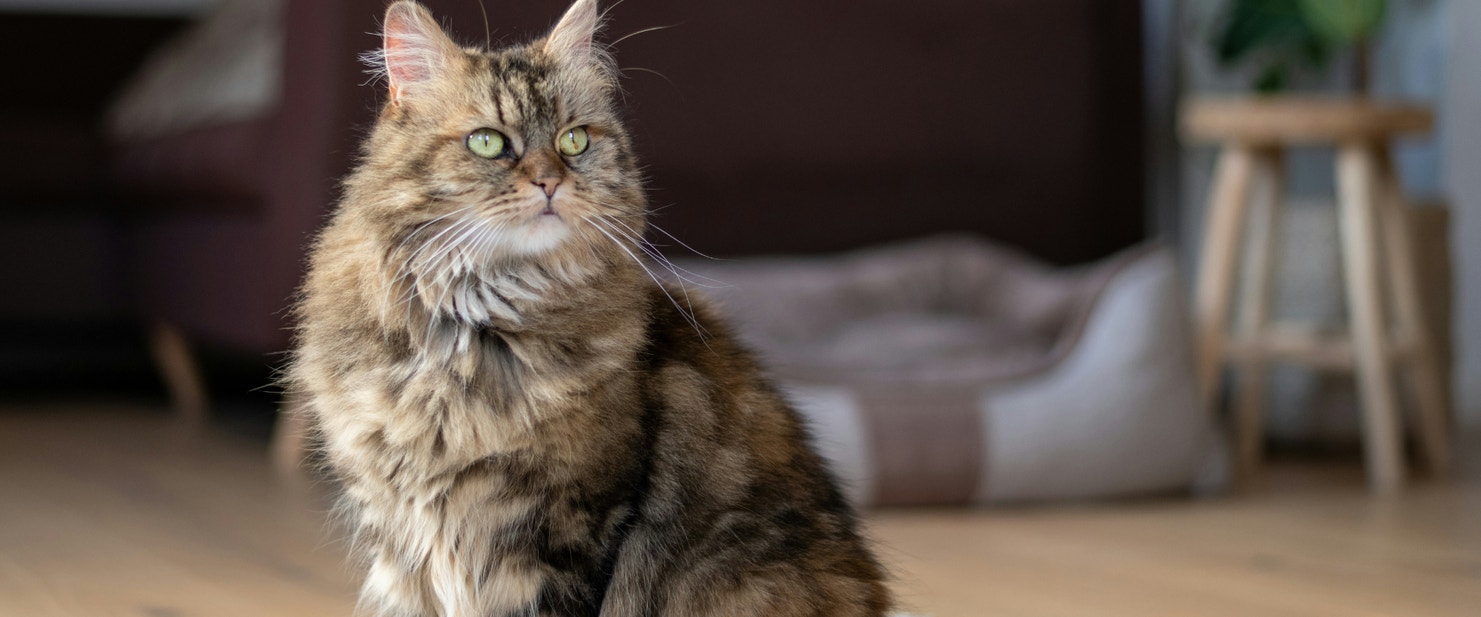
Image by Daniel Zopf on Unsplash
Flowing coats, easy-going natures and an endearing air of quiet confidence - the domestic long hair cat has it all. Unlike pedigree breeds, a domestic longhair cat isn’t defined by a closed breeding line or a formal breed standard. Instead, it’s defined by that gorgeous, silky coat and a wonderfully broad genetic heritage that makes each cat entirely its own. Because every Domestic Longhair draws from such a diverse gene pool, their looks, personality and even their size can vary delightfully from cat to cat, and that is very much part of their appeal.
Whether you already share your home with a Domestic Longhair or you’re considering welcoming one into your life, this guide covers everything worth knowing: personality and temperament, physical characteristics, feeding through every life stage, grooming, lifespan, health considerations and everyday enrichment.
Domestic Long Hair Cat Personality and Temperament
When it comes to domestic long hair cat personality, expect a cat who is curious, adaptable and full of quiet self-assurance. Because Domestic Longhairs come from such a wide and varied genetic pool, personalities span a genuinely delightful spectrum - from sociable, affectionate lap cats who follow you from room to room, to more self-sufficient souls who prefer to observe the household from a comfortable, well-chosen perch. This variability is one of the things that makes them so interesting to live with.
Common Domestic Longhair Personality Traits
Most Domestic Longhairs share a core set of traits that make them wonderful companions. They tend to be curious and intelligent, engaging readily with toys, new environments and the daily rhythms of home life. Their adaptability is a real strength. They generally settle well into new routines and respond positively to patient, gentle handling. Some are bold and outgoing; others are quieter and more contemplative. Both types are equally purrr-worthy.
Are Domestic Longhairs Affectionate?
Many Domestic Longhairs form deep, loyal bonds with their families without being overly demanding of attention. They’ll curl up beside you on the sofa, investigate a rustling bag with undivided feline focus, and remind you it’s dinner time with a particularly pointed stare. Theirs is an affection that feels earned - chosen freely rather than performed on demand. Many owners describe this as one of the most satisfying aspects of living with a domestic long hair cat.
Do Domestic Longhairs Get Along With Children and Other Pets?
Their adaptable, curious nature makes Domestic Longhairs well suited to family life. With patient introductions, they tend to coexist beautifully with children and other pets, building bonds that can last a lifetime. They are not typically aggressive or easily startled, which helps make household interactions calm and positive for everyone involved.
How Independent Are Domestic Longhairs?
Domestic Longhairs strike a pleasing balance between self-sufficiency and companionship. They don’t demand constant entertainment or reassurance the way some more high-maintenance breeds might, but they do appreciate connection and routine. This makes them an excellent match for busy households where someone is home regularly - though, like all cats, they benefit from enrichment when their humans are out.
Is a Domestic Longhair Right for Your Home?
The domestic long hair cat suits a wide range of households: first-time owners, growing families and experienced cat lovers alike. Their adaptable, forgiving nature means they tend to adjust well to different living situations, whether that’s a spacious suburban home or a comfortable inner-city apartment.
The key commitment to understand upfront is the coat. That magnificent long fur requires regular grooming (several times a week, ideally) to prevent mats and tangles and to keep shedding manageable. Once a consistent grooming routine is established, many owners find it becomes a cherished bonding ritual rather than a chore. If you’re ready to embrace the brush, a Domestic Longhair could be your purrr-fect match.
Domestic Longhair Physical Characteristics
One of the most immediately striking things about a domestic long hair cat is, of course, the coat, but there’s much more to appreciate when it comes to their physical characteristics.
Domestic Longhair Size and Weight
A domestic longhair cat typically weighs between 4–10 kg in adulthood, though domestic medium hair cat weight can vary considerably even between cats from the same litter. Because their genetics are so diverse, there’s no fixed size standard. Males tend to be larger than females, and individual variation is wide. This means it’s especially important to monitor your cat’s weight regularly and adjust feeding portions accordingly, rather than relying on a generic serving suggestion.
Coat Colours and Patterns
The Domestic Longhair’s coat is their most defining feature, and it comes in a near-limitless variety of colours and patterns. Tabby, tortoiseshell, solid, calico, bicolour, smoke, ticked - the possibilities are extraordinary. Their double coats give their fur a full, flowing appearance that changes with the seasons, typically growing thicker in cooler months. No two Domestic Longhairs look alike, which adds to their enduring appeal.
Domestic Longhair vs Purebred Long-Haired Breeds
It’s worth clarifying what sets a Domestic Longhair apart from pedigree long-haired breeds. Recognised breeds such as the Ragdoll are bred to specific standards for appearance, size and temperament. A Domestic Longhair, by contrast, is a mixed-heritage cat. They may visually resemble a purebred, but their genetic background is beautifully broad. This often means fewer inherited health conditions and a more unpredictable (in the best possible way) personality and appearance.
Feeding a Domestic Longhair
Good nutrition is one of the most meaningful things you can do for your domestic long hair cat. A complete, balanced diet supports a healthy, lustrous coat, smooth digestion and sustained energy, and it helps manage hairballs, which are especially common in longer-coated cats who ingest significant amounts of fur while self-grooming.
Nutritional Needs of a Domestic Longhair
Domestic Longhairs thrive on a diet that delivers high-quality protein, essential fatty acids and the right balance of vitamins and minerals to support coat condition, healthy weight and overall vitality. Feeding what nature intended - a nutritious, complete food suited to their life stage - is the foundation of long-term health. Explore the full WHISKAS® product range for options that nourish from the inside out.
Managing Hairballs Through Diet
Because their long coats mean more ingested fur during grooming, hairballs are a reality for many Domestic Longhair owners. A diet with a healthy fibre balance can assist in moving ingested hair through the digestive system more comfortably, reducing the frequency of hairball episodes. Regular grooming also plays a key role here: the less loose fur in the coat, the less your cat is likely to swallow.
Wet Food vs Dry Food
Both wet and dry food can contribute to a well-rounded feeding routine for a domestic long hair cat. Wet food provides additional moisture, which supports kidney and urinary health, particularly important as cats age. Dry food offers convenience and can be beneficial for dental health. Many owners find a combination of the two works well, giving their cat variety and covering different nutritional bases throughout the day.
Domestic Longhair Kitten Feeding
Domestic Longhair kittens are full of boundless curiosity and growing fast. A complete, kitten-specific food served in small, frequent meals supports healthy development of muscles, bones and that developing coat. Up to four small meals per day is appropriate for very young kittens, tapering to two or three meals as they approach six months.
WHISKAS® 2–12 Months Kitten Wet Food and WHISKAS® Kitten Dry Food with Chicken & Tuna Flavours are crafted specifically for this energetic life stage, delivering the nutrition growing kittens need to thrive.
Domestic Longhair Adult Feeding
Once your domestic long hair cat reaches adulthood (from around 12 months) it’s time to transition to a complete adult food. Most adult Domestic Longhairs do well with twice-daily meals, with portion sizes matched to their individual weight rather than a one-size-fits-all serving. Given the wide size range of this cat, it’s always worth consulting the feeding guide on the pack and adjusting based on your cat’s body condition.
WHISKAS® 1+ Years Adult Wet Food Mixed Variety Cans and complementary WHISKAS® Adult Dry Food offer balanced, complete nutrition to keep adult cats at their best.
Domestic Longhair Senior Feeding
From around 7 years of age, your domestic longhair cat’s needs begin to shift. Activity levels often decrease, metabolism changes, and supporting joint health, kidney function and coat condition becomes a priority. Continuing to monitor body weight is especially important at this stage. Gradual weight gain in less active senior cats can place strain on joints and internal organs.
WHISKAS® 7+ Years Wet Food Mixed Favourites in Jelly is formulated with the needs of older cats in mind, providing the nutrition to support graceful ageing.
Domestic Longhair Grooming and Coat Care
The Domestic Longhair’s flowing coat is one of their most beautiful features and it requires a genuine commitment to keep it in wonderful condition. Brushing several times a week is the cornerstone of good coat care. Regular grooming prevents mats and tangles from forming, particularly around the neck, belly and behind the ears where knots are most common, and it significantly reduces shedding around the home.
Starting grooming sessions early in a kitten’s life helps establish it as a familiar, comfortable experience. Use a wide-toothed comb or a slicker brush suited to long coats, and keep sessions calm and positive. Most cats will begin to savour this ritual once they associate it with gentle attention. Occasional professional grooming can be helpful during heavy shedding seasons.
Beyond brushing, keep an eye on the area around the base of the tail and under the armpits, where matting can develop unnoticed. A well-maintained coat also means fewer hairballs, which is a win for both of you. For more on keeping your cat looking and feeling their best, explore our guide to understanding your cat’s grooming.
How Long Do Domestic Longhair Cats Live?
The answer is wonderfully encouraging: typically between 12 and 20 years. Thanks to their diverse genetic backgrounds, many Domestic Longhairs benefit from what’s known as hybrid vigour - a tendency for mixed-heritage animals to be more robust and to experience fewer of the hereditary conditions associated with closed breeding lines. This can translate to a longer, healthier life compared with some pedigree breeds.
That said, domestic medium hair cat lifespan (and that of any mixed-heritage cat) depends significantly on the quality of care they receive. A complete, balanced diet, consistent veterinary check-ups, a healthy weight and an enriching home environment all contribute meaningfully to longevity. Our guide on average cat weight can help you monitor one of the most important indicators of your cat’s long-term health.
Domestic Longhair Health Considerations
While their mixed heritage generally means fewer inherited conditions than some pedigree breeds, Domestic Longhairs are not entirely without health considerations. Being aware of what to watch for, and what to do about it, puts you in the best possible position to keep your cat comfortable and healthy throughout their life.
Hairballs are one of the most common concerns, directly linked to the long coat. Regular grooming and a fibre-balanced diet are the most effective preventive measures. Dental health is another area worth attention: routine tooth brushing or dental treats can help reduce tartar build-up. Weight management deserves consistent monitoring, as less active or indoor-only Domestic Longhairs can be prone to gradual weight gain if portion sizes aren’t carefully managed.
As cats age into their senior years, kidney and urinary health become increasingly important. Keeping a senior domestic long hair cat well hydrated through a combination of wet food and fresh water access supports urinary tract function. If you notice any changes in drinking, eating or litter box behaviour, a prompt visit to the vet is always the right call.
Everyday Care and Enrichment for a Domestic Longhair
Beyond feeding and grooming, a domestic long hair cat thrives with regular play, a consistent daily routine and safe opportunities to explore and express natural behaviours. Interactive wand toys, puzzle feeders and a well-placed cat tree near a window satisfy their innate curiosity and keep both body and mind in excellent shape.
This is a cat who appreciates ritual: consistent mealtimes, familiar spaces and the quiet pleasure of a warm spot to nap in. Providing a stable, enriching environment helps prevent boredom and supports the calm, contented temperament Domestic Longhairs are known for. Their coat also benefits from an active lifestyle: regular movement helps distribute natural coat oils and keeps the fur looking its healthy, lustrous best.
Ready to Nurture the Nature in Your Domestic Longhair?
WHISKAS® cat food has everything your domestic long hair cat needs to live their best, most purrr-fect life — from complete nutrition crafted for growing kittens to specially tailored recipes supporting graceful senior years. Explore the full WHISKAS® product range and discover the nourishment that feeds the curiosity, vitality and natural spirit of your beloved Domestic Longhair today.
Curious to learn more about other popular breeds? See which cat breeds made the list of Australia's most popular on our blog.
Frequently Asked Questions
No — a Domestic Longhair is not a recognised pedigree breed. The term refers to any mixed-heritage cat with a long coat. Because there is no closed breeding line or formal breed standard, every Domestic Longhair is entirely one-of-a-kind. This variety is a big part of what makes them so beloved.
The primary difference is coat length. Domestic Longhairs typically have coats longer than around 5 cm, while Domestic Medium Hairs fall somewhere between a shorthair and a full longhair. Both are mixed-heritage cats rather than formal breeds, and both make wonderful companions — though the Domestic Longhair’s coat does require a more committed grooming routine.
Adult Domestic Longhairs typically weigh between 4–10 kg, with considerable variation depending on genetics, sex and diet. Males tend to be larger than females. Because of their wide and varied genetic pool, size can differ quite significantly even within this range — which is why individual weight monitoring and portion control are so important.
Ideally, brushing several times a week at minimum. Their long, often double coats can mat and tangle without regular attention — particularly around the neck, belly and behind the ears. Establishing a consistent grooming routine early in life helps keep the coat healthy and beautiful, and turns brushing sessions into a bonding moment your cat will begin to look forward to.
Choose a complete, balanced food suited to your cat’s life stage — kitten, adult or senior. Look for recipes that support coat health, healthy digestion and appropriate energy levels. The WHISKAS® range covers every stage of your cat’s life with nutrition carefully crafted to nurture their nature.