
Fussy Cat Feeding Guide: What to Feed a Fussy Cat
Key Takeaways
- Fussy eating is common in cats and is rarely a sign of poor care. Cats are naturally selective eaters shaped by early taste experiences, routine and environment.
- Knowing what to feed a fussy cat often comes down to texture, aroma and temperature. Wet food’s stronger smell and softer texture frequently wins over reluctant eaters.
- Cat taste boosters and toppers can make mealtimes more enticing, but work best as a complement to a complete, balanced diet rather than a replacement for it.
- A cat not eating for more than 24 hours, or a sudden sustained drop in appetite, is always worth a prompt conversation with your vet.
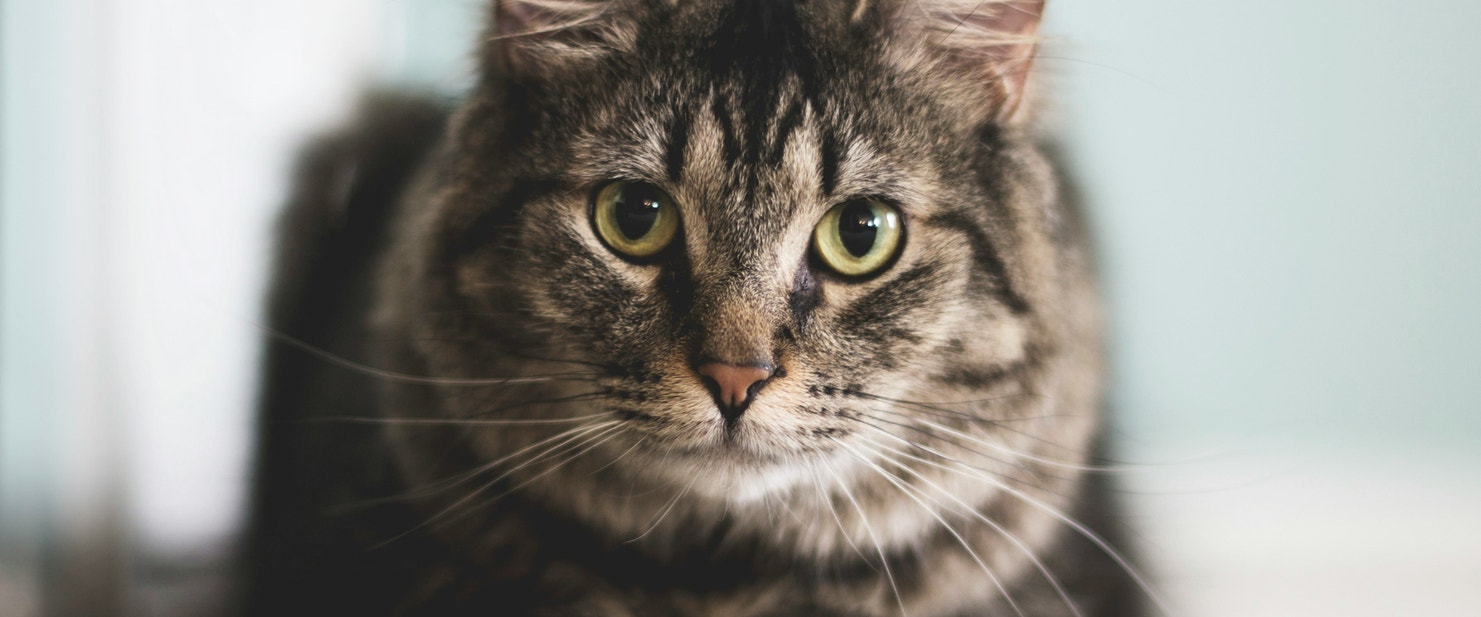
Image by Kari Shea on Unsplash
If you’ve ever watched your cat sniff their bowl, give you a deeply unimpressed look, and walk away, you’re in very good company. Knowing what to feed a fussy cat is one of the most common questions cat owners ask and the reassuring answer is that fussy eating is usually more about preference than a problem. Cats are naturally selective, highly sensory eaters shaped by early food experiences and the very particular instincts that make them so captivating to live with. With the right approach to food, texture and routine, most fussy eaters can be encouraged back to the bowl with genuine enthusiasm.
Why Is My Cat a Fussy Eater?
Understanding why your cat is turning their nose up at dinner is the first step to solving it. Fussy eating is often shaped by a combination of early taste preferences, environmental factors and, occasionally, an underlying health concern worth investigating.
Taste and Texture Preferences
Cats form lasting food preferences from kittenhood, and those preferences run deep. Unlike humans, cats cannot taste sweetness, but they are extraordinarily sensitive to aroma, texture and temperature. A food that’s even slightly too cold, too soft, too crunchy or carries a subtle smell they’ve decided they don’t like can be enough to earn a firm rejection. This is entirely normal feline behaviour and it means that what to feed a fussy cat is often a matter of finding the right sensory combination rather than finding a “better” food. Curious about what your cat can actually detect? Explore our blog on what cats can taste.
Environmental and Routine Factors
Mealtimes are more than just nutrition for cats, they’re a ritual. A busy, noisy feeding spot, a bowl placed too close to a litter tray, irregular mealtimes or an excess of treats throughout the day can all contribute to reluctance at the main meal. Cats thrive on consistency and calm, so small environmental changes can make a surprisingly meaningful difference.
Could It Be a Health Issue?
There’s an important distinction between a cat who has always been selective and one who has suddenly stopped showing interest in food they previously enjoyed. Sudden fussiness is more likely to signal something worth investigating - dental pain, digestive discomfort or another health issue, rather than preference alone. If your cat’s appetite has changed noticeably and recently, a vet visit is the right next step.
What to Feed a Fussy Cat
When it comes to what to feed a fussy cat, wet food is often the most effective starting point. The stronger aroma, higher moisture content and softer texture of wet food tend to appeal far more readily to cats with selective palates than dry food alone. That said, every cat is different and the journey to finding what your cat truly savours is part of the purrr-fect adventure of living with them. Find out more about why cats sometimes never finish their food.
Wet Food vs Dry Food for Fussy Eaters
Wet food’s natural moisture and rich, meat-forward aroma closely mimic the sensory properties of a cat’s natural diet, which is why it so often appeals to even the pickiest of eaters. It also delivers hydration alongside nutrition - a real bonus for cats who don’t drink as much water as they should. Dry food, while convenient and beneficial for dental health, has a more muted aroma that some fussy cats simply find less compelling. Combining both formats can offer the best of both worlds.
Trying Different Flavours and Textures
Rotating between varieties - jelly, gravy, different proteins like chicken, tuna, salmon or beef - keeps mealtimes interesting and helps you discover what your cat truly loves. Don’t be discouraged if the first few attempts don’t spark immediate enthusiasm. Patience and variety are your most powerful tools when figuring out what to feed a fussy cat.
Warming Food to Enhance Aroma
Serving wet food at room temperature, or gently warming it for a few seconds, can significantly heighten its aroma and make it far more appealing to a reluctant nose. Never serve food that’s hot though - always test it before placing it down.
Cat Taste Boosters and Toppers
Cat taste boosters are specially formulated additions (broths, flavoured gravies, creamy sachets or powder toppers) designed to enhance the appeal of your cat’s regular meal. Sprinkled or poured over existing food, a cat taste booster can make a familiar meal smell and taste more enticing, encouraging a fussy eater to engage with their bowl with renewed curiosity.
The key is to use cat taste boosters as a complement to a complete, balanced diet rather than a substitute for one. Think of them as a finishing touch - the culinary equivalent of a drizzle of sauce over a nourishing meal. Used thoughtfully, they’re a genuinely useful tool in the fussy-cat feeding toolkit. Always check the label to ensure any topper you choose is appropriate for your cat’s life stage and existing diet.
Best Cat Food for Fussy Eaters
The best cat food for fussy eaters combines three things: appealing aroma, satisfying texture and consistent, high-quality nutrition. A food that smells wonderful, offers variety and delivers complete balanced nutrition is one your cat is far more likely to look forward to at mealtimes.
When selecting cat food for fussy eaters, look for a range that offers multiple textures (in jelly, in gravy, as a loaf) and a variety of protein sources, so you can rotate and keep things interesting without compromising on nutritional completeness. The WHISKAS® wet food range offers a wide variety of flavours and textures crafted to entice even the most discerning cat, with complete nutrition at every serve.
Tips to Encourage a Fussy Cat to Eat
Small, practical changes to your routine and environment can make a noticeable difference for a fussy eater. Here are the most effective adjustments to consider.
Feeding Environment
Choose a quiet, low-traffic spot away from the litter tray, laundry appliances and anywhere else that creates noise or distraction. Cats prefer to eat without feeling observed or crowded. In a multi-pet household, separate feeding stations can remove the social pressure that sometimes suppresses appetite.
Consistent Routine
Cats are creatures of habit. Offering meals at the same times each day, with fresh food in a clean bowl, helps build a reliable feeding ritual your cat will begin to anticipate with genuine interest. Avoid leaving food out for extended periods - fresh food at mealtimes is always more appealing than food that’s been sitting in the bowl for hours. For more practical guidance, read our blog on how to get your cat to eat.
Patience When Introducing New Food
If you’re transitioning a fussy cat to a new food, go slowly. Mix a small amount of the new food alongside the familiar favourite, gradually increasing the proportion of new food over one to two weeks. An abrupt switch is far more likely to trigger rejection.
When Reduced Appetite Needs Closer Attention
While occasional fussiness is a normal part of cat ownership, a cat not eating at all is a different matter. If your cat hasn’t eaten for more than 24 hours, or if their appetite has dropped suddenly and noticeably, it’s worth taking action. Start by offering a small amount of a familiar favourite food at a different location in a clean bowl. If appetite doesn’t return within a day, contact your vet. Cats can develop serious liver complications if they go without food for too long, so prompt action matters.
Older cats who have stopped eating may have different underlying causes to younger cats. Our guide on what to do if your older cat isn’t eating and how long cats can go without food offer practical guidance for concerned owners.
Ready to Win Over Your Fussy Cat?
WHISKAS® cat food offers a wide range of wet and dry cat foods in a variety of textures and flavours - from rich gravy recipes to crunchy kibble - crafted to satisfy even the most discerning feline palate. Explore the full WHISKAS® cat food range and find the perfect match for your cat’s very particular idea of a purrr-worthy meal.
Frequently Asked Questions
A sudden change in appetite or food preferences can signal a health issue like dental pain, digestive discomfort or other illness, rather than simple fussiness. If your cat has always been a picky eater, that’s usually just personality. If the change is recent and unexplained, a vet visit is always the right call.
The best cat food for fussy eaters tends to combine a strong, appealing aroma, a texture your cat enjoys and complete balanced nutrition. Wet food in jelly or gravy often proves more appealing than dry food for selective cats. Rotating flavours and proteins keeps mealtimes interesting and helps you discover what your cat truly loves.
Most cat taste boosters are safe when used as directed, but always check the label for recommended usage guidelines. They work best as an occasional complement to a complete, balanced diet rather than a daily staple. If you’re unsure whether a specific product is appropriate for your cat’s needs, your vet is the best person to ask.
Yes - gently warming wet food to around room temperature can significantly enhance its aroma and make it far more enticing for a fussy eater. Always test the food before serving to make sure it’s warm but never hot, and discard any uneaten food after 30 minutes rather than leaving it out.
If your cat hasn’t eaten for more than 24 hours, has had a sudden or sustained drop in appetite, or is showing other signs of illness such as lethargy, vomiting or weight loss, contact your vet promptly. Normal fussiness is harmless, but a cat not eating for an extended period can develop serious health complications quickly.