
Common Digestive Problems in Cats: What to Watch For
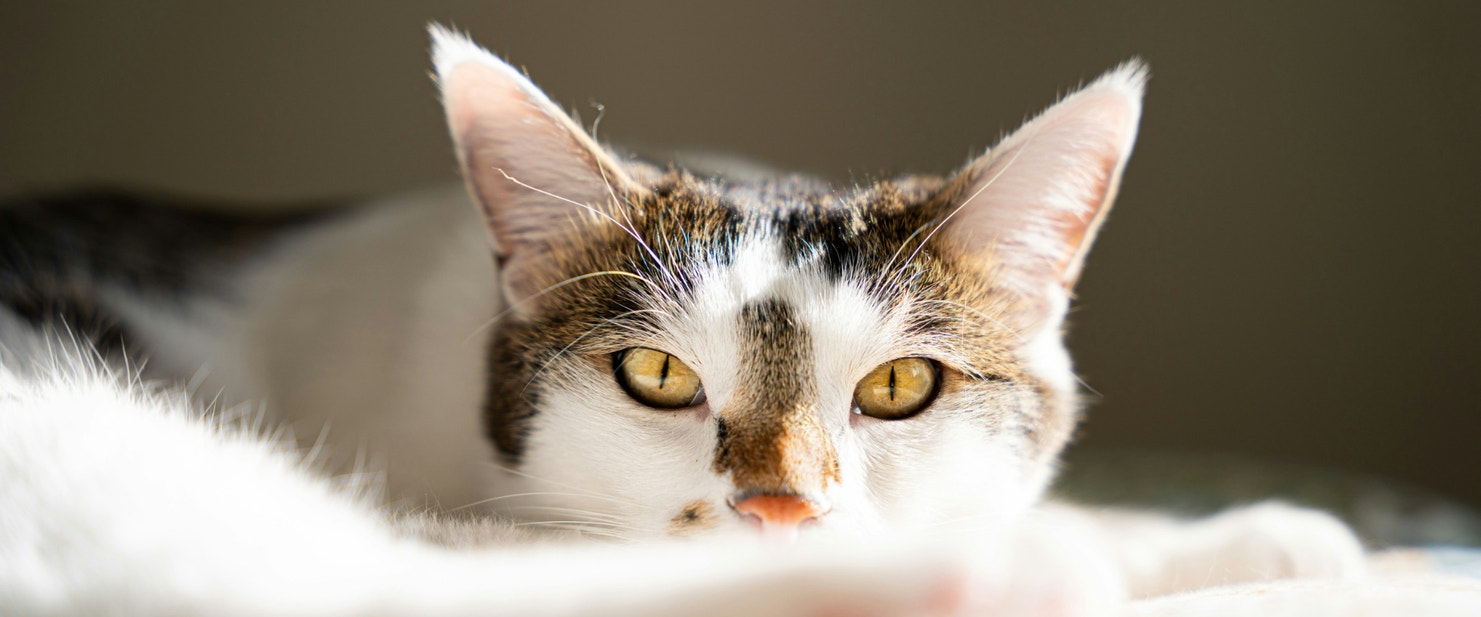
Image by Toprak ERZURUMLUOĞLU on Unsplash
Key Takeaways
- Occasional vomiting or loose stools aren’t “just a cat thing” — regular digestive upset isn’t normal and is worth investigating, even if it’s become routine in your household.
- Most cat stomach problems are caused by a handful of common conditions — hairballs, dietary changes, parasites, food intolerances and inflammatory bowel disease (IBD) account for the majority of digestive issues in cats.
- A “sensitive stomach” isn’t a formal diagnosis — it describes a pattern of reactions to food or change, and a vet check should rule out underlying illness before you assume it’s simply sensitivity.
- Digestive risks shift with age — kittens are more prone to worms and dehydration, adult cats to hairballs and stress, and seniors to constipation, IBD and age-related illness.
Every cat parent has been there. That familiar sound at 3am — the retching, the pause, the thing on the carpet. For many owners, vomiting or loose stools get dismissed as “just a cat thing.” But here’s the truth: regular cat stomach problems aren’t normal, and they’re worth understanding.
Whether it’s a one-off cat upset stomach after a dietary change or something that’s been quietly going on for weeks, digestive issues in cats are surprisingly common — and often surprisingly manageable once you know what to look for. This guide walks you through the signs of cat digestive problems, the most common causes, what a sensitive stomach really means, and when it’s time to call your vet. Most cat stomach problems fall into a handful of recognisable categories, and a cat upset stomach is often the first sign that something needs attention.
Signs of Digestive Issues in Cats
Cats are masters of hiding discomfort. In the wild, showing weakness isn’t an option, and that instinct doesn’t switch off just because they live indoors. So when something’s off in the digestive department, the signs can be subtle — or surprisingly obvious, depending on your cat.
The most common signs of digestive issues in cats include:
Vomiting or regurgitation: occasional hairballs aside, repeated vomiting isn’t normal
Diarrhoea or loose stools: soft, watery or mucus-covered stool lasting more than 24 hours warrants attention
Constipation: straining in the litter box with little or nothing produced
Loss of appetite: refusing food for 24 hours or more, especially in an otherwise food-motivated cat
Weight loss: gradual or sudden, particularly when eating habits seem unchanged
Lethargy or hiding: withdrawing from normal activity or social interaction
A swollen or painful belly: tenderness when touched, or a visibly distended abdomen
Changes in litter box habits: new locations, frequency, posture or effort
Be direct with yourself about this: regular vomiting or loose stool is not normal, even if it has become routine in your household. A cat that throws up weekly isn’t “just being a cat” — there’s a reason, and it’s worth finding. A persistent cat upset stomach is your cat’s way of telling you something isn’t right, and recognising the signs of cat stomach problems early can prevent more serious complications down the track.
Vomit and Stool Decoder
| What You See | What Healthy Looks Like | How Urgent |
| Undigested food, tubular shape | Regurgitation or eating too fast | Low — monitor frequency |
| Hairball (fur wrapped in mucus) | Normal grooming, occasional | Low — once a month or less is typical |
| Yellow or frothy liquid | Bile — often from empty stomach | Moderate — if repeated, see vet |
| Blood in vomit (red or dark) | Ulcers, irritation or blockage | Urgent — see vet immediately |
| Soft, formed stool | Mild dietary upset | Low — monitor for 24 hours |
| Watery or mucus-covered stool | Diarrhoea — infection, food, parasites | Moderate — vet if 24+ hours |
| Blood in stool | Colitis, parasites or serious illness | Urgent — see vet immediately |
| Dry, hard or absent stool | Constipation or blockage | Moderate to urgent — vet if straining with nothing passed |
Common Cat Digestive Problems and What Causes Them?
Let’s walk through the most common cat digestive problems you’re likely to meet. Understanding what each condition is, what causes it and what to watch for helps you respond calmly and confidently. Many of these conditions share similar symptoms, so a cat upset stomach could point to anything from a simple hairball to a more complex condition requiring veterinary care.
Hairballs
Swallowed fur that doesn’t pass through the digestive tract normally is brought back up instead. An occasional hairball — roughly once a month or less — is typical, especially in long-haired breeds. But more frequent hairballs, or retching with nothing produced, warrant a vet check. Frequent hairballs can signal overgrooming (often stress-related), skin irritation, or a gut that isn’t moving fur through as it should.
Explore WHISKAS® 1+ Years Adult Furball Dry Cat Food which is specially formulated to help to reduce the formation of furballs.
Intestinal Worms and Parasites
Roundworms, hookworms, tapeworms, giardia and coccidia can all cause vomiting, diarrhoea and weight loss in cats. Some, like giardia, are picked up from contaminated water or the environment; others, like tapeworms, come from ingesting fleas. Regular deworming is the simplest way to keep parasites at bay. If your cat hunts, goes outdoors, or shares a home with other pets, they’re at higher risk.
Food Intolerance and Allergies
True food allergies are relatively uncommon in cats, but sensitivities can cause vomiting, diarrhoea, gas or itchy skin. Diagnosis involves a vet-supervised food trial lasting several weeks, during which your cat eats only the prescribed food — no other foods, no treats, nothing off the table.
Inflammatory Bowel Disease (IBD)
IBD is a group of conditions causing ongoing gut inflammation, with vomiting, diarrhoea, appetite changes and weight loss that persist or come and go over weeks. It can mimic other conditions, needs a vet workup to diagnose, and is usually managed rather than cured.
Studies have shown that cats with chronic enteropathy — a related condition — show changes in their gut microbiome similar to those seen in human inflammatory bowel disease, with reduced bacterial diversity compared to healthy cats. Diet plays a significant role in management, with some cats responding well to hydrolyzed protein diets.
Blockages from Foreign Objects
Swallowed items such as string, thread, hair ties or toy parts can obstruct the gut. Vomiting and loss of appetite are common signs, and this is a veterinary emergency. Tell your vet immediately if your cat has had access to string, sewing items or small objects. Cats are drawn to string-like items and linear foreign bodies are particularly dangerous because they can cause the intestines to bunch up.
Constipation
Infrequent or difficult passing of dry, hard stools is often linked to low water intake, swallowed hair, pain, or a litter box the cat avoids. Straining with little or nothing produced needs prompt vet attention, since it can look like a urinary blockage — which is an emergency. Increasing water intake (through wet food or water fountains) and ensuring clean, accessible litter boxes can help prevent constipation, particularly in older cats.
Cat Sensitive Stomach: What It Means and What Triggers It?
“Sensitive stomach” is a common search term, but it’s not a formal diagnosis. It describes a cat that repeatedly reacts to certain foods or changes with soft stools, gas or occasional vomiting — rather than naming a specific disease. Understanding the distinction matters, because assuming it’s “just sensitivity” can delay treatment for something treatable.
Common triggers for a cat sensitive stomach include:
Sudden food changes: swapping brands, flavours or formulas overnight can upset the balance
Rich or fatty human foods and treats: table scraps are a frequent culprit
Eating too quickly: competitive eaters or anxious cats may gulp food, then bring it back up
Stress or changes at home: moving house, new pets, renovations or even a changed routine can trigger digestive upset
How to spot patterns and manage a sensitive stomach:
Keep a food and symptom diary: noting what your cat ate and when symptoms appeared makes triggers much easier to pinpoint
Rule out illness first: ongoing symptoms can point to parasites, a food allergy or IBD, so a vet check should come before assuming it’s just a sensitive stomach
Keep changes to a minimum: swapping flavours, brands and treats frequently makes it much harder to identify what’s causing the problem
Transition gradually: when changing foods, mix old and new over 7–10 days to give your cat’s digestive system time to adjust. For guidance on safe transitions, see how to transition your cat’s diet by life stage.
The gut microbiome — the community of bacteria living in your cat’s intestines — plays a crucial role in digestion and overall health. Research from the Waltham Petcare Science Institute has shown that the diet fed to kittens influences their gut microbiome and its potential function, with possible long-term implications for health later in life. This is why consistent, quality nutrition matters: what you feed your cat shapes not just today’s digestion, but their long-term gut health.
How Digestive Risks Change From Kitten to Senior?
Digestive risks don’t stay the same throughout a cat’s life. The most likely problems shift with age, so knowing what to watch for at each stage helps you catch issues early — and stops you dismissing changes in an older cat as “just getting older.”
Kittens
Intestinal worms are common in young cats, and kittens can become dehydrated quickly with vomiting or diarrhoea, so symptoms warrant a call to the vet sooner than they would in an adult. A kitten’s digestive system is still developing, and their gut microbiome is actively maturing — research shows that a kitten’s gut bacteria change significantly between 18 and 30 weeks of age, regardless of sex or neutering. This makes early nutrition especially important.
For guidance on feeding your growing cat, read our helpful guide on your kitten’s diet.
Adult Cats
Hairballs, sudden diet changes, eating non-food items and stress are the most common everyday triggers in adult cats. Many adult upsets settle quickly once the trigger is removed. Adult cats that eat grass — which is normal feline behaviour — may occasionally vomit afterwards, but this isn’t usually cause for concern.
To understand why cats eat grass and when it might signal a problem like pica, see cats eating strange things: grass or pica.
Senior Cats
Constipation, IBD and other illnesses become more likely with age, so weight loss, appetite changes or new litter box habits should be investigated rather than put down to getting older. Older cats may also have reduced kidney function, which can affect hydration and digestion. Regular vet checkups become increasingly important — at least twice yearly for cats over 12 — because what looks like age-related slowing down can sometimes be a treatable digestive condition.
Digestive Risks by Life Stage
| Life Stage | Most Common Digestive Risks | Key Action |
| Kittens (0–12 months) | Worms, parasites, rapid dehydration | Vet sooner rather than later; regular deworming |
| Adult cats (1–10 years) | Hairballs, dietary changes, stress, pica | Identify and remove triggers; monitor patterns |
| Senior cats (10+ years) | Constipation, IBD, age-related illness | Investigate changes; twice-yearly vet checkups |
When Cat Stomach Problems Need a Vet?
Not every digestive hiccup needs a vet visit, but knowing the difference between “watch and wait” and “go now” is one of the most valuable skills a cat parent can have. When cat stomach problems escalate, acting quickly can make all the difference. Here’s a clear, calm guide to acting on digestive signs.
See a Vet Urgently
Seek immediate veterinary care if your cat shows any of the following:
Repeated vomiting or vomiting blood (red or dark, coffee-ground appearance)
Straining in the litter box with little or nothing passed — this can mimic a urinary blockage, which is life-threatening
A swollen or painful belly, especially if it came on suddenly
Suspected swallowed string or a foreign object — tell the vet if your cat has had access to string, thread or sewing items
Collapse or marked lethargy — unresponsive, unable to stand, or profoundly weak
Not eating for 24 hours or more — cats, especially overweight cats, can develop a serious liver condition called hepatic lipidosis if they stop eating
Book a Vet Visit Soon
These signs don’t require emergency care, but shouldn’t be ignored:
Diarrhoea lasting more than 24 hours
Vomiting that keeps recurring — even if it seems mild
Weight loss — gradual or sudden
Ongoing soft stools or gas
Appetite changes — eating more or less than usual
Any digestive signs that persist for several weeks
What to Tell Your Vet
To help your vet diagnose quickly, be ready to share:
Recent diet and treat changes — including anything new in the past few weeks
Access to string, plants, bins or unusual items — cats are curious, and the answer is often here
How often symptoms happen — frequency, timing and duration
What the vomit or stool looked like — colour, consistency, presence of blood or mucus
Photos and a stool sample — if possible, bring these to the appointment; they genuinely help
What Not to Do at Home
Don’t give human medicines or laxatives — many are dangerous to cats, including paracetamol, ibuprofen and aspirin
Don’t withhold food unless your vet advises it — fasting a cat can cause more harm than good, particularly in overweight cats
Don’t try home remedies without veterinary guidance — what works for dogs or humans can be harmful to cats
When in doubt, call your vet. A quick phone call costs nothing and can save your cat’s life. Remember that most cat stomach problems are manageable once identified, and a cat upset stomach that’s caught early is far easier to treat than one that’s been left to worsen.
Support your cat’s health
Your cat’s digestive health is part of their whole story — their energy, their comfort, their purrr. If your cat has a sensitive stomach or you’re simply looking for nutrition that supports healthy digestion, explore our range of WHISKAS® cat food — formulated to feed their curiosity, one meal at a time. And if something doesn’t seem right, trust your instincts and talk to your vet. They know your cat, and they’re your best partner in keeping that purrr going strong.
Frequently Asked Questions
Vomiting is an active process — your cat’s abdomen contracts and heaves, often with retching sounds, before bringing up food or liquid. Regurgitation is passive: food or liquid comes back up with little effort, often in a tubular shape, shortly after eating. Regurgitation is usually linked to eating too fast or oesophageal issues, while vomiting points to a wider range of causes. If either happens regularly, see your vet.
Yes. Cats are creatures of habit, and stress — from moving house, new pets, changes in routine or even loud renovations — can trigger vomiting, diarrhoea or a loss of appetite. A stress-related cat upset stomach is more common than many owners realise. The gut and brain are closely connected in cats, just as in humans. If you suspect stress is the trigger, identify the source where possible and talk to your vet about management strategies, which may include environmental changes or calming aids.
Eating grass is normal feline behaviour, and occasional vomiting afterwards isn’t usually cause for concern — it’s thought to help cats clear indigestible matter from their stomach. However, if it happens frequently or is accompanied by other symptoms like lethargy or appetite loss, it’s worth a vet check. Some cats eat grass to supplement fibre intake; persistent grass-eating with vomiting may indicate an underlying issue.
Probiotics designed specifically for cats may help support gut health, particularly after a dietary change, antibiotic course or bout of diarrhoea. However, not all probiotics are created equal, and human probiotics aren’t suitable for cats. Always talk to your vet before starting any supplement — they can recommend a product suited to your cat’s specific needs and rule out any underlying conditions that need different treatment.
There’s no single answer — it depends on your cat. Wet food has a higher moisture content, which supports hydration and can help with constipation and urinary health. Some cats with sensitive stomachs tolerate wet food better because it’s easier to digest and lacks the fillers found in some dry foods. Others do well on a consistent dry formula. The key is to choose a high-quality, complete diet and transition gradually. If your cat has ongoing digestive issues, your vet can recommend the best approach — which may include a specific sensitive stomach formula or a vet-supervised food trial.