
Creating a Grooming Routine Your Cat Will Love
Key Takeaways
- Cat grooming at home supports coat, skin, claw and ear health, and helps you spot changes early.
- The right routine depends on your cat's coat length, age, mobility and individual personality.
- Start slowly, keep sessions short, and always reward your cat to build a positive association.
- Severe matting, painful claws or ear problems are best left to a groomer or vet.
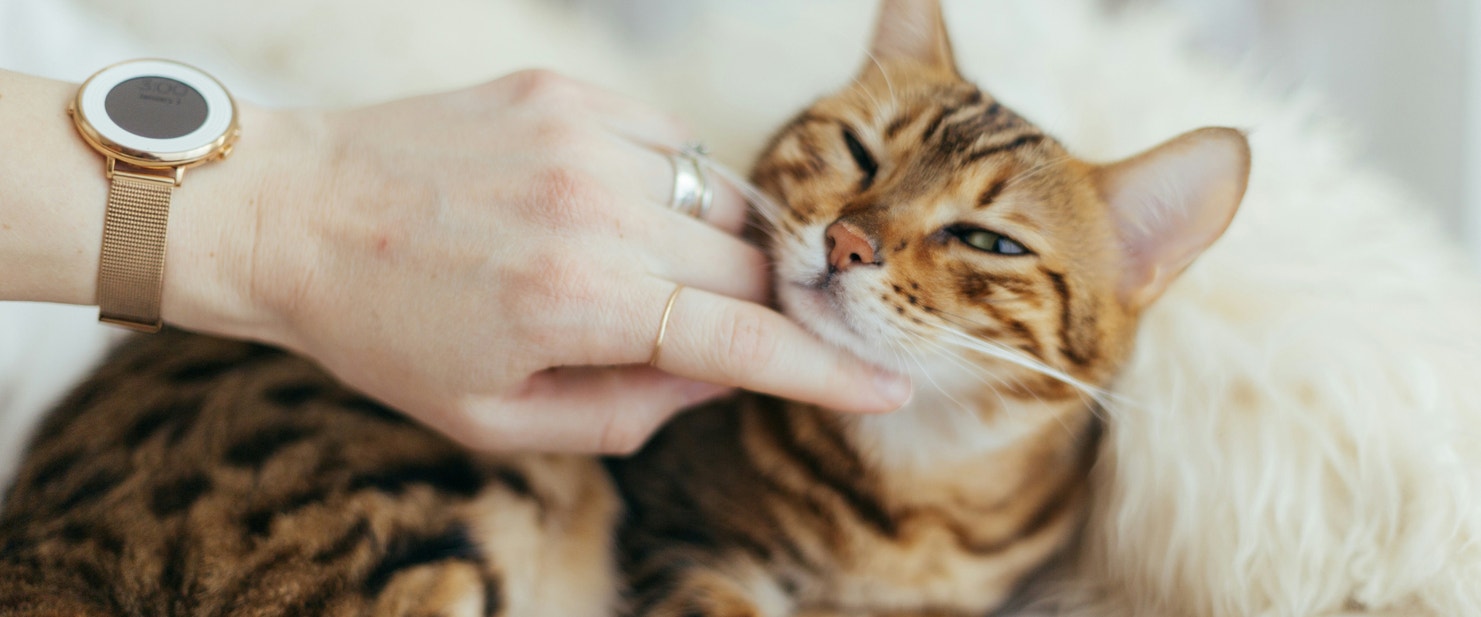
Image by Paul Hanaoka on Unsplash
Why Cat Grooming Matters for Your Feline Friend
Cats are fastidious self-groomers by nature. From kittenhood, they learn to clean themselves with that rough, clever tongue — distributing oils, removing loose hair and keeping their coat in good condition. But self-grooming does not always remove the need for a little owner-assisted care. A thoughtful cat grooming routine can help maintain the coat and claws, flag potential problems early, and give extra support to cats that struggle to groom themselves effectively.
Why Cats Groom Themselves
Self-grooming is part instinct, part comfort. Cats groom to regulate body temperature, spread natural oils across their fur, and remove dirt and loose hair. It is also a self-soothing behaviour — a way to settle after a stretch, a meal, or a pounce. While this natural habit does a remarkable job, it cannot always reach every tangle, shed every loose hair, or keep fast-growing claws in check. That is where gentle, cat-led grooming at home steps in to support what nature already started.
Benefits of Regular Grooming
Regular grooming is about far more than a tidy coat. Brushing helps remove loose hair before it ends up on your lounge — or in a hairball. It gives you a hands-on chance to monitor skin and coat condition, noticing lumps, bumps or thinning patches early. Claw care protects your furniture and your cat's comfort, while ear checks help catch irritation before it becomes an issue. Done well, grooming becomes a calm, shared ritual that builds trust and positive interaction. For more on keeping your cat comfortable, see our guide on dealing with cat hairballs.
Cats That May Need Extra Grooming Help
Not every cat manages their full grooming routine alone. Long-haired cats generally need more coat maintenance, as their longer fur tangles and mats more easily. Senior cats, overweight cats, or those with reduced mobility may find it harder to reach certain areas — the lower back, base of the tail, or behind the legs. Cats with certain health conditions may also benefit from a helping hand. For these cats, a little owner-assisted grooming is not just helpful — it is an act of care that keeps them comfortable and well.
What Cat Grooming Tools Do You Need?
The right tools make all the difference — but you do not need a vast collection. The best grooming kit is one suited to your cat's coat type and individual needs, prioritising tools that are comfortable, appropriate and safe to use. Start with the essentials: a suitable brush or comb, and a pair of cat-appropriate nail clippers.
Different coat types benefit from different brush or comb styles, so it pays to choose with your cat in mind. Comfort and gentle handling matter far more than owning every tool on the shelf. Whatever you choose, inspect your grooming tools regularly for damage or wear, and replace anything that has seen better days.
Cat Grooming Tools Comparison
| Tool | Best For | Coat Type | When to Use |
| Slicker brush | Removing loose hair & tangles | All coats, esp. medium–long | Regular brushing sessions |
| Bristle brush | Smoothing & distributing oils | Short-haired cats | Weekly maintenance |
| Steel comb | Detecting & working out small tangles | Long-haired cats | A few times a week |
| Rubber grooming glove | Gentle loose-hair removal | Short-haired cats | Light, frequent use |
| Cat nail clippers | Trimming claw tips | All cats | As needed, every few weeks |
How to Brush Your Cat
Some cats take to brushing like a second breakfast. Others need time, patience and a gentle introduction. The secret is to make cat brushing a positive experience from the very first stroke — gradual, calm and always on the cat's terms.
Introduce the Brush Gradually
Let your cat investigate the brush before you ever use it. Place it near their favourite resting spot and allow them to sniff, rub and get comfortable with this new object. A cat that has accepted the brush on their own terms is a cat far more likely to accept it in motion.
Start With Short Grooming Sessions
Do not attempt a full grooming session straight away. Begin with just a minute or two of gentle brushing, then finish positively. Short, happy sessions build a good association far more effectively than one long, reluctant ordeal. You can always lengthen the routine as your cat grows in confidence.
Brush Gently and Follow the Coat
Brush in the direction of hair growth, using soft, comfortable strokes. Gentle technique removes loose hair and helps distribute natural oils without pulling or discomfort. Pay attention to sensitive areas — the belly, behind the legs and around the ears — and let your cat's reactions guide how much pressure you use.
Watch Your Cat's Body Language
Your cat will tell you when they have had enough — if you know how to listen. A relaxed cat may purr, lean into the brush or knead softly. Signs of discomfort include a swishing tail, flattened ears, skin twitching, or attempts to move away. The moment you notice these cues, bring the session to a gentle close. Stopping before your cat becomes stressed is the single best way to keep future sessions welcome.
How Often Should You Brush a Cat?
There is no universal brushing schedule that suits every cat. Brushing frequency depends on coat length, shedding, age and the individual cat — and long-haired cats generally need more frequent coat maintenance than their short-haired cousins. The best approach is to adjust the routine based on your cat's coat condition rather than following a rigid timetable.
Short-Haired Cats
Short-haired cats are largely self-sufficient, but a weekly brush still helps remove loose hair and gives you a chance to monitor skin and coat condition. A bristle brush or rubber grooming glove is usually all you need.
Long-Haired Cats
Longer coats require more frequent attention to help prevent tangles and matting. Most long-haired cats benefit from brushing several times a week — sometimes daily during heavy shedding. A steel comb and slicker brush work well together here.
During Periods of Increased Shedding
Cats often shed more heavily as the seasons change. When your cat is shedding more than usual, increasing brushing frequency helps remove loose hair before it forms mats or contributes to hairballs.
Senior Cats and Cats With Reduced Mobility
Cats that have difficulty reaching parts of their body — whether due to age, weight or mobility — may benefit from additional grooming assistance. Gentle, more frequent brushing helps keep their coat comfortable when they cannot manage it alone.
Cat Brushing Frequency Guide
| Coat Type / Situation | Suggested Brushing Frequency |
| Short hair | Weekly |
| Long hair | Several times a week to daily |
| Heavy shedding (seasonal) | Daily during shedding periods |
| Senior / reduced mobility | Several times a week, as needed |
Individual requirements vary — always adjust to your cat's coat condition.
Long-Hair Cat Grooming: Preventing Tangles and Mats
Long-haired cats are glorious — and their coats need a little extra devotion. Longer fur tangles more easily, especially in areas of friction such as behind the legs, under the collar, and around the base of the tail. Regular, gentle brushing before significant mats develop is the best defence. Never pull aggressively at a mat or attempt to cut one close to the skin — this can cause injury. For severe, tight or painful matting, seek professional grooming or veterinary advice. Your cat's comfort always comes first.
What to Do If Your Cat Hates Being Brushed
A cat hates being brushed moment is more common than you might think — and it is rarely about the brush itself. Restraint or forced brushing can quickly create negative associations, so the goal is to rebuild trust and make grooming a choice, not a chore.
- Start with very brief interactions — even a single stroke counts as a win.
- Pair grooming with treats, praise or another positive reward so your cat learns that brushing brings good things.
- Experiment with different brush types; if the current tool seems uncomfortable, a softer option may suit better.
- Read your cat's body language and stop the moment they signal they have had enough.
- If your cat shows sudden grooming sensitivity or pain when touched, this may warrant a veterinary assessment rather than more brushing.
With patience and consistency, many cats learn to tolerate — and even enjoy — their grooming routine.
Cat Nail Trimming: How to Trim Your Cat's Nails Safely
Alongside natural scratching, some cats benefit from occasional nail trimming. Scratching and trimming perform different roles: scratching helps shed the outer claw sheath and stretch the muscles, while trimming keeps overly long claws comfortable and protects your home.
Get Your Cat Comfortable With Paw Handling
Before you ever reach for the clippers, spend time gently touching and handling your cat's paws outside of grooming sessions. Offer a treat while you briefly hold a paw, then release. Over time, your cat learns that paw handling is calm, safe and reward-worthy.
Understand the Claw and the Quick
Each claw has a hard outer tip and a softer inner area called the quick, which contains blood vessels and nerves. The quick must be avoided when trimming. In clear claws you can usually see the pink quick; trim only the sharp, clear tip beyond it. If in doubt, trim less rather than more.
How to Trim Cat Nails
1. Gently press on the top and bottom of the paw pad to extend the claw.
2. Identify the tip to be trimmed — only the sharp hook beyond the quick.
3. Use cat-appropriate clippers to snip the tip cleanly at a slight angle.
4. Reward immediately and move on — a few claws per session is plenty.
5. Never force the process if your cat becomes distressed. Stop and try again another day.
How Often to Trim Cat Nails
Trimming frequency varies with scratching habits, activity level, age and individual claw growth rather than following one universal schedule. For most cats, a check every couple of weeks is a good starting point. Outdoor or highly active cats may wear their claws down naturally, while older or less active cats may need more frequent attention.
How to Check and Clean Your Cat's Ears
Ear checks are a small but important part of a complete cat grooming at home routine. Gently examine your cat's ears for signs of redness, odour, discharge or excess wax. Healthy ears are pale pink and clean. To clean, use a soft cotton pad dampened with a vet-approved ear cleaner — never insert anything into the ear canal. A gentle wipe of the outer ear is all that is needed. If you notice abnormal discharge, odour, inflammation or signs of discomfort, stop and have your cat assessed by a veterinarian rather than repeatedly cleaning at home.
Building a Grooming Routine Your Cat Will Accept
The best routine is one built around your cat's tolerance, preferences and grooming needs. Introduce one grooming activity at a time, choose moments when your cat is calm and relaxed, and keep initial sessions short and predictable. Use rewards to reinforce positive behaviour, and build frequency around your cat's coat type and individual needs. During routine sessions, take the opportunity to check the coat, skin, claws and ears. And always stop if your cat shows escalating stress or discomfort — a positive ending today makes a willing participant tomorrow.
At Home, Groomer or Vet?
| Situation | Most Appropriate Next Step |
| Loose hair, light tangles | At home — regular brushing |
| Severe or skin-level matting | Professional groomer or vet |
| Routine claw tip trimming | At home — with care |
| Damaged, overgrown or ingrown claws | Veterinarian |
| Mild, clean ear wax | At home — gentle wipe |
| Discharge, odour or ear inflammation | Veterinarian |
| Sudden pain or sensitivity when touched | Veterinarian |
For more on reading your cat's grooming habits, visit our guide to understanding your cat's grooming, and keep their coat in great shape with tips on keeping their coat in good condition.
Nurture Their Nature
At WHISKAS®, we believe in nurturing the nature in every cat, from the tip of their whiskers to the softness of their coat. Build your grooming ritual around the cat you know best, then feed their curiosity with a meal made for the nature in them. Explore the full WHISKAS® cat food range or browse more of our cat care and health articles to keep your feline friend purrrrin' all year round.
Frequently Asked Questions
Yes. While cats are excellent self-groomers, most benefit from some owner-assisted grooming. Regular brushing removes loose hair, helps prevent tangles and mats, and gives you a chance to monitor your cat's skin, coat, claws and ears for any changes. Long-haired, senior and less-mobile cats often need extra support.
It depends on the cat. Short-haired cats usually do well with a weekly brush, while long-haired cats often need brushing several times a week — sometimes daily. During heavy seasonal shedding, increase the frequency. Always adjust based on your cat's coat condition rather than a fixed schedule.
The best brush depends on your cat's coat type. A bristle brush or rubber grooming glove suits short-haired cats, while a slicker brush and steel comb work well for long-haired coats. If your cat seems uncomfortable with one tool, try a gentler option — comfort matters more than having the perfect brush.
Start slowly and keep sessions short and positive. Introduce one activity at a time — brushing, then paw handling, then nail trims and ear checks — choosing calm moments and rewarding your cat throughout. Build the routine around your cat's coat type and tolerance, and stop if they show signs of stress.
There is no single schedule. Trimming frequency depends on your cat's scratching habits, activity level, age and claw growth. For most cats, checking the claws every couple of weeks is a good starting point. Trim only the sharp tip beyond the quick, and never force the process if your cat becomes distressed.