
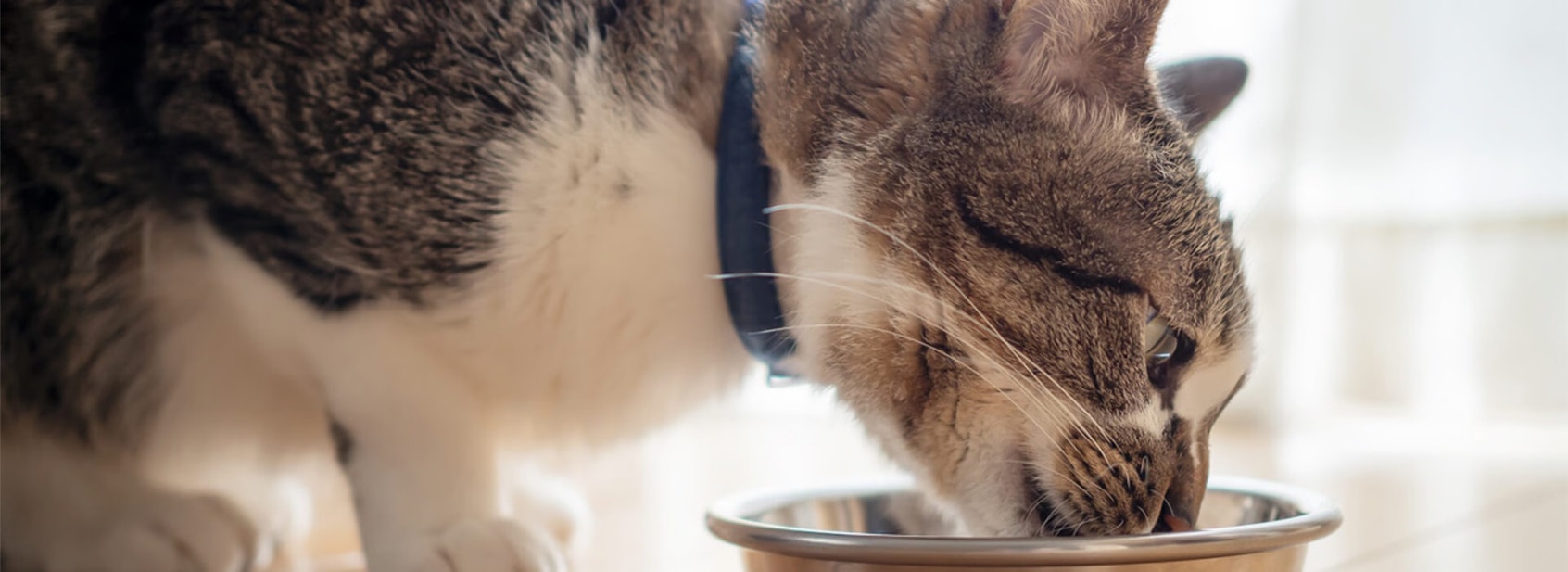
How long can I leave cat food out?
Key Takeaways
- Wet food: 4 hours max. Once opened, wet cat food is exposed to air and bacteria. Don't leave it out for more than four hours - after that, discard it and wash the bowl with soap and water before refilling.
- Refrigerate leftovers, reheat gently. If your cat doesn't finish a serving, cover and refrigerate it straight away. When they're ready for more, warm it gently in the microwave - most cats prefer their food at room temperature, not cold.
- Warmth speeds up spoilage. In warmer months or hot spots around the home, wet food can go off faster. Keep your cat's bowl somewhere cool and out of direct sunlight.
- Dry food can be left out, but not forever. Dry kibble won't spoil as quickly as wet food, so it's fine for grazing throughout the day. Still, discard any remaining dry food at the end of the day and wash the bowl to keep the taste fresh and the nutrients at their best.
A cat’s eating habits are not always consistent, and many cat owners will be familiar with the sight of a half-finished bowl of food, or a meal with only a few bites missing. Sometimes this means your cat has had enough, but often they will return to the food later in the day for another helping. This brings about the question: how long can I leave wet cat food and dry cat food out? In this article, WHISKAS® looks at when you should leave your cat’s food out, and when to clear it away.
How often should I feed my cat?
All pet owners are different, and when it comes to how and when we feed our cats, you may find that this varies greatly. Some cat owners prefer to set strict meal times for their cat, whereas others may ‘free feed’ – letting their cat eat as and when they please.
Having planned mealtimes tells you exactly how much your cat is eating and makes it easier to pick up on any changes in their behaviour or appetite. Cats also seem to prefer following a routine and may feel stressed if anything changes.
Free feeding means that your cat can eat when they want to. However, it can make it more difficult for you to monitor their appetite and weight; plus, if your cat doesn’t eat all their food, you may have to throw it away.
How long can you leave wet cat food out?
Wet food is a favourite at mealtime - but once it's out of the can, the clock starts. Here's how long it can sit out, how to tell if it's gone bad, and what to do with the leftovers.
Can wet cat food sit out?
WHISKAS® wet cat food comes in sachets and cans. As soon as you open a sachet or can, the food is exposed to air, and bacteria as well. Several factors affect how quickly it will spoil:
- Air exposure: once opened, bacteria begin multiplying immediately
- Temperature: warmer environments speed up spoilage. In the "danger zone" (between roughly 5°C and 60°C) bacteria multiply rapidly.
- Bowl placement: sunny spots or areas near heaters make food go off faster
- Time: the longer it sits, the higher the risk
Does wet cat food go bad?
Even if your cat prefers to eat their food in a few sittings, don't be tempted to leave wet food out all day. After a maximum of four hours:
- Throw out the old food
- Wash the bowl properly with soap and water
- Refill with fresh food
Leaving wet food out too long isn't just about freshness - it's a genuine safety risk. Food that's been sitting out can harbour bacteria that cause:
- Vomiting
- Diarrhoea
- Loss of appetite
Kittens, senior cats, and cats with existing health conditions are especially vulnerable, as their immune systems may not be as resilient. If you suspect your cat has eaten spoiled food, keep an eye out for signs of illness and contact your vet if symptoms persist.
What should I do with leftover wet cat food?
If your cat doesn’t eat a whole serving of wet food in one go, you should cover the food and refrigerate it. When your cat gets hungry again, gently warm up the food in the microwave, as most cats dislike cold food.
If you find yourself wasting significant amounts of food, it may work best to feed your cat dry food.
How long can you leave dry cat food out?
Dry cat food tends to keep longer and is generally safer to leave out for longer periods of time. For this reason, lots of cat owners leave out a bowl of dry food or kibble for their cat to graze on throughout the day. However, it’s still good hygiene practice to throw out any dry food remaining at the end of the day and wash the bowl thoroughly to keep the taste of the food fresh.
Does dry cat food go bad?
Although dry food won’t go off as quickly as wet food, its nutritional value will start to deteriorate the longer it is left out. Dry food that has been kept for too long tends to go stale and won’t be as tasty for your cat.
Wet vs Dry Cat Food: Shelf Life at a Glance
| Wet Cat Food | Dry Cat Food | |
| Unopened shelf life | Up to 2–3 years (check the best-before date on the can or sachet) | Up to 12–18 months (check the best-before date on the pack) |
| Once opened - room temperature | Maximum 4 hours, then discard and wash the bowl | Can be left out for grazing throughout the day |
| Once opened - refrigerated | Cover and refrigerate for up to 24 hours. Reheat gently before serving | Transfer to an airtight container to keep it fresh and tasty |
| Signs it's gone off | Sour or off smell, change in colour, slimy or dried-out texture | Stale smell, loss of crunch, dull or faded colour |
| Best for | Hydration, fussy eaters, cats who need extra moisture in their diet | Convenience, grazing, dental benefits, households with multiple cats |
| Temperature sensitivity | High - spoils quickly in warm environments or direct sunlight | Low - but still best kept in a cool, dry place |
Finding the right balance for your cat
Knowing how long food can sit out is one thing, but choosing the right portion sizes and food types in the first place can make mealtimes simpler and safer. Start with the feeding guide on the pack, then adjust to suit your cat's age, weight, and activity level. Smaller, more frequent portions mean less waste and fewer leftovers sitting out. And if your cat likes to graze, a mix of wet food at mealtimes and dry kibble for snacking can give you the best of both worlds.
Should I leave food out for my cat at night?
Whether you leave food out for your cat at night depends on what kind of feeding regime you have. For example, if you choose to feed your cat at certain times each day, leaving food out overnight is probably not the best option. If you let your cat eat when they choose to, a bowl of dry food left out overnight provides a snack if your cat feels peckish. However, most cats are happy to spend the night without food and wait until their breakfast the following morning.
Why doesn’t my cat finish their food?
A cat’s stomach is quite small, so they naturally prefer to eat food little and often rather than all in one sitting. Therefore, it’s perfectly normal for your cat to visit their food bowl a couple of times per serving. However, occasionally there may be other reasons why your cat doesn’t finish their food, such as:
Type or brand of food
- Some cats are fussier than others and may be more sensitive to the texture and flavour of their food. If possible, try your cat with both wet and dry food from a young age, using several different brands of food to determine their favourites.
Sensitive whiskers
- A cat’s whiskers are extremely sensitive, and some cats find eating out of a deep food bowl an uncomfortable experience. This is usually evidenced by a ring of food left around the sides of your cat’s bowl after eating. If you think this may be the case with your cat, try swapping their food bowl for a shallower one, or a plate.
Boredom
- Cats can simply get bored of their diet and start leaving food. In this case, try gradually introducing a new brand or type of food by adding small amounts to the original food and increasing the amount over a seven- to ten-day period. Don’t try to suddenly change your cat’s diet, as this can cause stress, or even an upset tummy.
Stress
- If you have other pets or small children in your household, it’s possible that your cat feels uncomfortable eating around them. Due to their wild ancestry, cats feel at their most vulnerable while eating, which may explain a reluctance to eat in busy, noisy environments with other pets or family members. Feed pets separately, use separate bowls, and try to keep children out of the room while they eat, creating a stress-free atmosphere for them.
If your cat normally eats all their food in one go and pesters you throughout the day for more, or they continually leave lots of food uneaten and don’t seem hungry, you may need to rethink how you feed them. For example, cats who eat quickly might benefit from a food puzzle or slow feeder, making it harder for them to wolf their food in one go.
Quick Tips: Keeping Your Cat's Food Fresh and Safe
Storage
- Store unopened cans and sachets in a cool, dry place away from direct sunlight
- Check the best-before date before buying, and rotate older stock to the front of the cupboard
- Once opened, transfer any unused wet food to a covered container and refrigerate
Reheating
- Warm refrigerated wet food gently in the microwave for a few seconds — just to room temperature, not hot
- Stir well and test it before serving, as cats' mouths are sensitive
- Never reheat food more than once
Portion control
- Start with the feeding guide on the pack, then adjust to your cat's age, weight, and activity level
- Smaller, more frequent portions mean less waste and fewer leftovers sitting out
- If your cat regularly leaves food behind, try reducing the serving size
Bowl hygiene
- Wash food bowls daily with soap and warm water
- Use separate bowls for wet and dry food if you feed both
- Ceramic or stainless steel bowls are easier to keep clean than plastic
When in doubt
- If food smells sour, looks discoloured, or has changed texture, throw it away
- Never serve food that's been left out for more than four hours
- If your cat shows signs of illness after eating, contact your vet
If you’ve followed all the advice given on how long to leave cat food out and your cat still isn’t eating properly, book an appointment with the vet.
Frequently Asked Questions
Yes - in fact, most cats prefer it. If you've refrigerated leftover wet food, gently warm it in the microwave for a few seconds until it reaches room temperature. Stir it well and check it's not too hot before serving, as cats' mouths are sensitive. A gentle warmth also helps release the aroma, which can encourage a fussy eater to tuck in.
They can, but many cats aren't keen on it. Cold food has less aroma, which makes it less appealing and for cats, smell is a big part of appetite. If your cat turns their nose up at food straight from the fridge, try warming it gently first. It's a small step that can make a big difference at mealtime.
Trust your senses. If the food smells sour or off, has changed colour, or developed a slimy or dried-out texture, it's best to throw it away. When in doubt, don't risk it - your cat's health isn't worth the gamble. Always wash the bowl with soap and water before serving fresh food.
Yes, dry food can be left out for grazing throughout the day, as it's less perishable than wet food. However, it's still good practice to discard any remaining dry food at the end of the day and wash the bowl. Dry food left out too long can go stale and lose some of its nutritional value and your cat may simply find it less tasty.
Absolutely. Mixed feeding is a great way to give your cat the hydration benefits of wet food and the dental benefits of dry kibble. Just keep in mind that any wet food component still follows the four-hour rule, so don't leave a mixed bowl sitting out all day. Adjust portion sizes to suit your cat's age, weight, and activity level.