
How to Cut Your Cat’s Nails Safely at Home
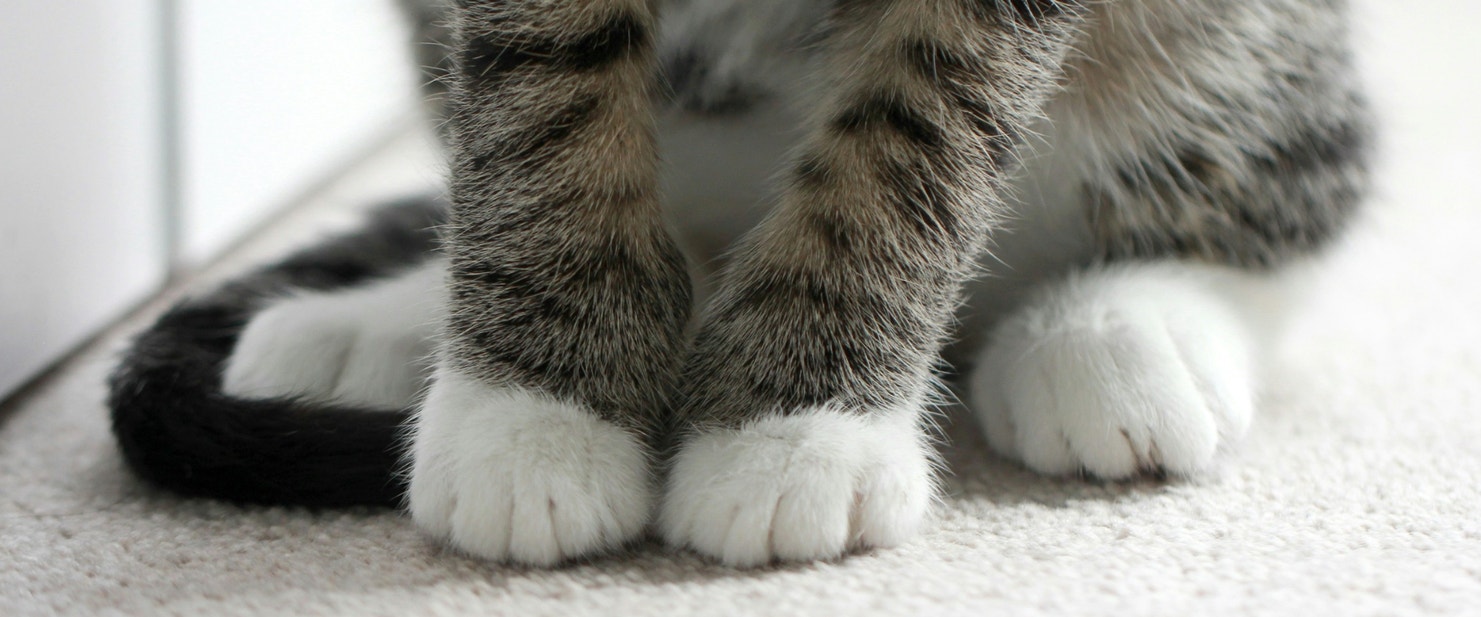
Image by Sandy Millar on Unsplash
Nail trimming is one of those grooming jobs many cat owners quietly put off — usually because they’re worried about hurting their cat or ending up in a wriggling, claw-wielding standoff. We get it. The first time you pick up a pair of clippers and your cat gives you that look, it can feel easier to just… leave it for another day.
But here’s the reassuring news: once you know how to cut cat nails the right way, cat nail trimming quickly becomes a short, calm part of your routine rather than something to dread. The truth is, not every cat needs regular trims — some keep their claws in purrrrfect shape all on their own. For those who do need a helping paw, a little know-how goes a long way. Let’s walk through it together, one claw at a time.
Key Takeaways
- Not every cat needs nail trims — many keep their claws healthy through scratching and activity, but indoor, senior and arthritic cats often need a hand.
- Check regularly, trim only when needed — frequency depends on your cat’s lifestyle, age and habits.
- The quick is the pinkish area to avoid — only trim the clear, sharp tip of the claw and leave a safe 2mm margin below the quick.
- Keep it calm, short and positive — treats, praise and knowing when to stop turn trimming into a stress-free habit rather than a battle.
Do Cats Need Nail Trimming?
Honestly? Sometimes yes, sometimes no. Many cats keep their claws in good shape all on their own through regular scratching and their usual daily activity. Scratching is natural feline behaviour — it sharpens the claws, removes old claw sheaths, and gives those front legs a lovely stretch and workout. A cat with access to sturdy scratching posts and plenty of activity may rarely need you to step in. But some cats genuinely do need help.
Indoor cats, who may not wear their claws down as fast, are prime candidates for cat nail trimming. Senior and arthritic cats often need a gentle hand too — their activity drops off and stiff joints make natural claw maintenance harder. So while cat nail trimming isn’t a must for every cat, for plenty of them it’s an essential bit of care that keeps them comfortable and your furniture a little safer.
How Often to Trim Cat Nails?
The best answer to how often to trim cat nails is beautifully simple: check regularly, and trim only when needed. Guidance genuinely varies by cat, lifestyle and age — there’s no single rule that fits every whiskered individual. As a general guide, most cats benefit from a nail check every couple of weeks, with a trim whenever the claws start to look long, sharp or curved. You’ll soon learn your own cat’s rhythm. The table below gives you a practical starting point — but remember, your cat is the real boss here.
Trim Frequency Guide
| Cat Type | How Often to Check | Typical Trim Frequency |
| Indoor cats | Every 1–2 weeks | Every 2–3 weeks |
| Outdoor cats | Every 3–4 weeks | Every 4–6 weeks (or as needed) |
| Senior/arthritic cats | Every 1–2 weeks | Every 2–3 weeks |
| Kittens | Weekly | Every 1–2 weeks |
What You Need Before You Start?
Before you even think about cutting cat nails, gather the right tool, have a few supplies on hand in case of a small nick, and set yourself up in a calm, well-lit space. The golden rule? Never reach for human nail clippers — they’re designed for flat, wide nails and can split or crush a cat’s curved claw. Your cat deserves the proper gear.
Scissor-style clippers
Often the best fit for cats. The small, curved blade matches the shape of a claw, and the open design gives you a clear view of the tip so you can make precise, controlled cuts. If you’re only buying one tool, make it this one.
Guillotine-style clippers
A fine alternative if that’s what you have or what suits your hand. You thread the claw through a small hole and squeeze. Some cat owners find them quick and easy — just be mindful to position the claw carefully so you can still see exactly what you’re trimming.
Supplies to have ready
Styptic powder or cornstarch (to stop bleeding fast if you nick the quick)
Gauze or a paper towel
A few small, favourite treats
Good lighting — natural daylight is purrrrfect
A quiet, calm space away from other pets and noise
Ideally, a second person to help gently hold or soothe your cat
How to Cut Your Cat’s Nails Safely?
Next we’ll explore how to trim cat nails safely. The single biggest reason owners avoid cat nail trimming is fear of cutting the quick — and once you understand it, that fear shrinks right down. The quick is the pinkish area inside the claw that contains blood vessels and nerves. Trim into that and your cat will feel it, and it will bleed. The good news is the quick is easy to spot on most cats: it shows up as a darker pink triangle inside the translucent claw. Your job is to trim only the clear, sharp tip beyond it — and to leave a safe margin of about 2mm below the quick so there’s no chance of nipping it.
Learning to see that margin is the real secret to how to cut cat nails without a fuss. In lighter-coloured claws the quick is obvious; in darker claws you may only see the clearer tip to remove, which is your cue to take off just a small amount. Go slow, let the light help you, and trust what you can see.
How to Cut Cat Claws Step by Step?
Now for the trim itself. When it comes to how to cut cat claws, a clear sequence keeps you and your cat calm — and remember, it doesn’t have to be finished in one sitting. One paw, even a few nails, is a win. Here’s how to do it:
Pick a calm moment — after a meal or a play session is ideal, when your cat is relaxed and a little sleepy.
Gently press the paw to extend the claw. A soft squeeze on the top and bottom of the paw pad pops the claw out.
Identify the quick and leave a safe margin — aim to cut about 2mm below the pinkish quick, in the clear part of the claw only.
Clip only the sharp, clear tip at a slight angle, following the natural curve of the claw. A confident, quick snip is better than a slow crunch.
Praise and treat after each nail — make every clip end on a positive note so your cat links trimming with good things.
Stop if your cat becomes anxious — and that’s totally fine. You can continue another time. There’s no prize for finishing all at once.
That’s the heart of how to trim cat claws: small, calm, repeatable steps that build trust rather than tension.
Trimming Cat Claws Without the Stress
Trimming cat claws doesn’t have to be a wrestling match. In fact, the less stress, the better it goes for everyone — cat included. Here are some practical ways to keep things mellow:
Start with paw handling before you ever trim. Gently hold and massage your cat’s paws during cuddle time, so having toes touched feels normal and uneventful.
Wrap gently in a towel if your cat tends to squirm. A soft “purrrrito” wrap keeps them cosy and limits sudden escapes.
Keep sessions short. A few nails per session is plenty. Think minutes, not a marathon.
End on a positive note with treats, praise and a little play, so the last memory of trimming is a happy one.
Don’t force it. If your cat is tense, hissing or pulling away, stop and try again later. Pushing through only teaches them to dread the next time.
A calm, patient approach is the real trick to cutting cat nails without the drama.
What to Do If You Cut the Cat’s Quick?
First, take a breath. A nick to the quick is upsetting, yes, but it’s usually minor and completely manageable — it happens to experienced cat owners too. Here’s what to do:
Apply styptic powder or cornstarch to the tip of the claw with gentle, steady pressure. This helps the bleeding stop quickly.
Don’t panic. Stay calm and soothing — your cat takes cues from you, and a gentle voice helps them settle.
The bleeding usually stops on its own within a few minutes. Keep your cat quiet and still while it does.
Call your vet if the bleeding doesn’t stop after a few minutes of gentle pressure, or if the claw looks red, swollen or infected in the days that follow.
Knowing this little first-aid routine takes the fear out of how to cut cat nails — because even if the odd nick happens, you’ve got it covered. And honestly, once you’ve done it a few times, how to cut cat nails becomes second nature, and that confidence is exactly what makes each session smoother and calmer for you both.
How to Cut Kitten Nails Safely?
The secret to a lifetime of easy trims? Start young. Introducing cat nail trimming while your kitten is little helps them grow up comfortable with having their paws handled, so future sessions feel like no big deal. You can begin as soon as your kitten has settled into the home and trusts you — usually within the first few weeks. Before any clippers come out, spend time gently holding and stroking their paws and toes during play and cuddles, so paw handling is just part of normal life.
When you do trim, take off only the sharp tip and steer well clear of the quick. Keep sessions very short and overwhelmingly positive — a clip or two, a treat, and you’re done. That’s the purrrrfect foundation for a cat who doesn’t flinch at the sight of clippers. After all, how often to trim cat nails becomes a non-issue when your cat happily lets you do it.
A Routine Worth Purring For
Nail care is just one part of looking after the marvellous little creature who shares your home. Ready to build a grooming routine that covers it all — coat, claws, and everything in between? Explore our full guide to creating a grooming routine for your cat and make looking after your cat a habit you'll both feel good about.
Frequently Asked Questions
No — not at all. Trimming only removes the sharp tip of the claw, which grows back. Declawing is the surgical amputation of the last bone of each toe and is a serious, irreversible procedure. Regular cat nail trimming is a simple, safe grooming task that keeps claws tidy and comfortable.
Yes. The dewclaw is the higher, “thumb” claw on the inside of the front paw. Because it doesn’t touch the ground when your cat walks or scratches, it doesn’t wear down naturally and can sometimes grow into the paw pad — so it’s worth checking and trimming cat claws like the dewclaw regularly.
You can gently file the sharp tip after clipping to smooth it, but filing alone usually isn’t enough to shorten an overgrown claw — and most cats lack the patience for it. Clippers give a quick, clean result, which is why they’re the go-to for how to cut cat nails.
Some deeply trusting cats let you snip a nail or two while dozing, but it’s risky — a sudden wake can mean a startled scratch. It’s safer to trim when your cat is relaxed but awake, and to pair it with gentle handling and treats for how to trim cat claws the stress-free way.