
Why Is My Cat Grooming Itself in a Strange Way?
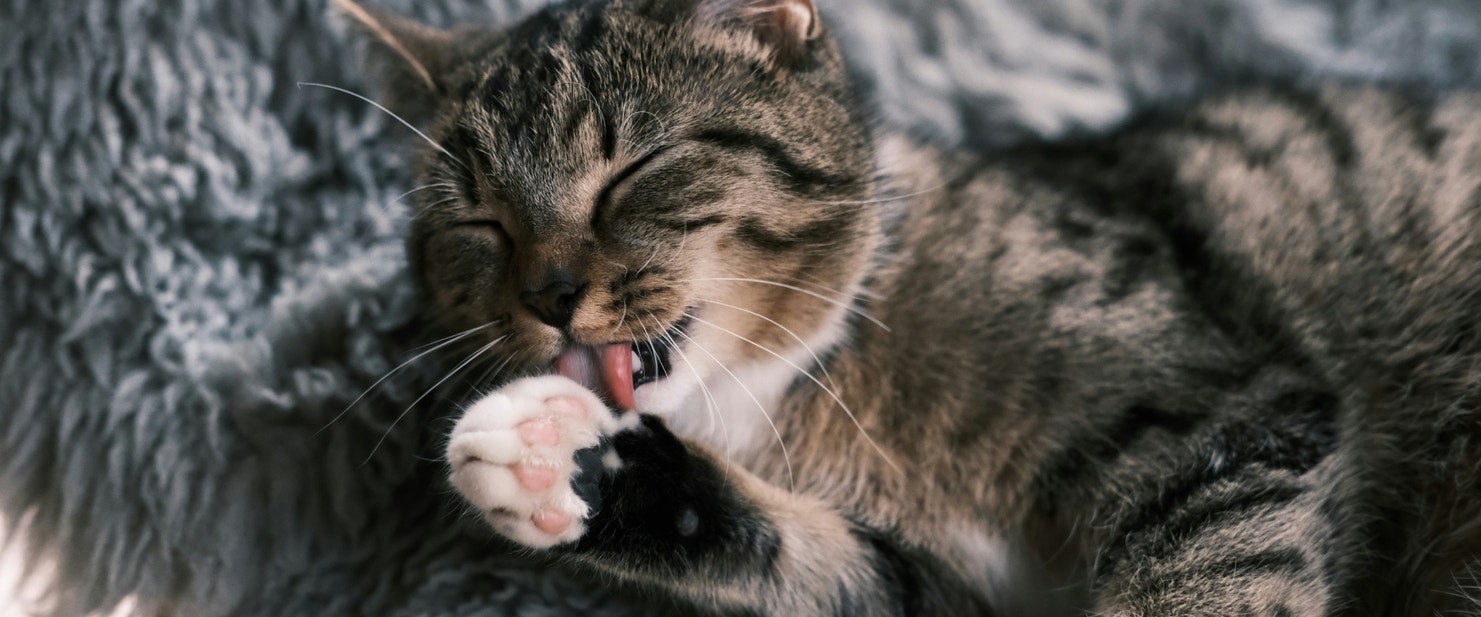
Image by Bram on Unsplash
Key Takeaways
- Grooming is a completely normal, essential part of a cat's day — but unusual patterns like excessive licking, sudden scratching, or visible coat changes are worth understanding rather than dismissing.
- Overgrooming — when licking goes beyond normal maintenance — often points to an underlying cause such as stress, allergies, or pain, and can lead to fur loss or skin irritation.
- Scratching isn't the same as grooming; it serves different purposes like claw maintenance, scent marking, and stretching, and how to groom a cat at home plays a key role in reducing destructive scratching.
- When grooming or scratching habits change suddenly or dramatically, a vet visit is always the wisest first step.
Why Do Cats Lick Themselves? Understanding Normal Grooming
Before we look at anything unusual, it helps to understand the baseline. Cats spend a significant portion of their day grooming — up to 30-50% of their waking hours — and this behaviour serves several genuine biological and social purposes.
So if you've ever wondered why do cats lick themselves, the answer is beautifully natural: it's how they stay clean, comfortable, and connected. Understanding why do cats lick themselves is the first step in recognising when grooming shifts from normal to something worth watching.
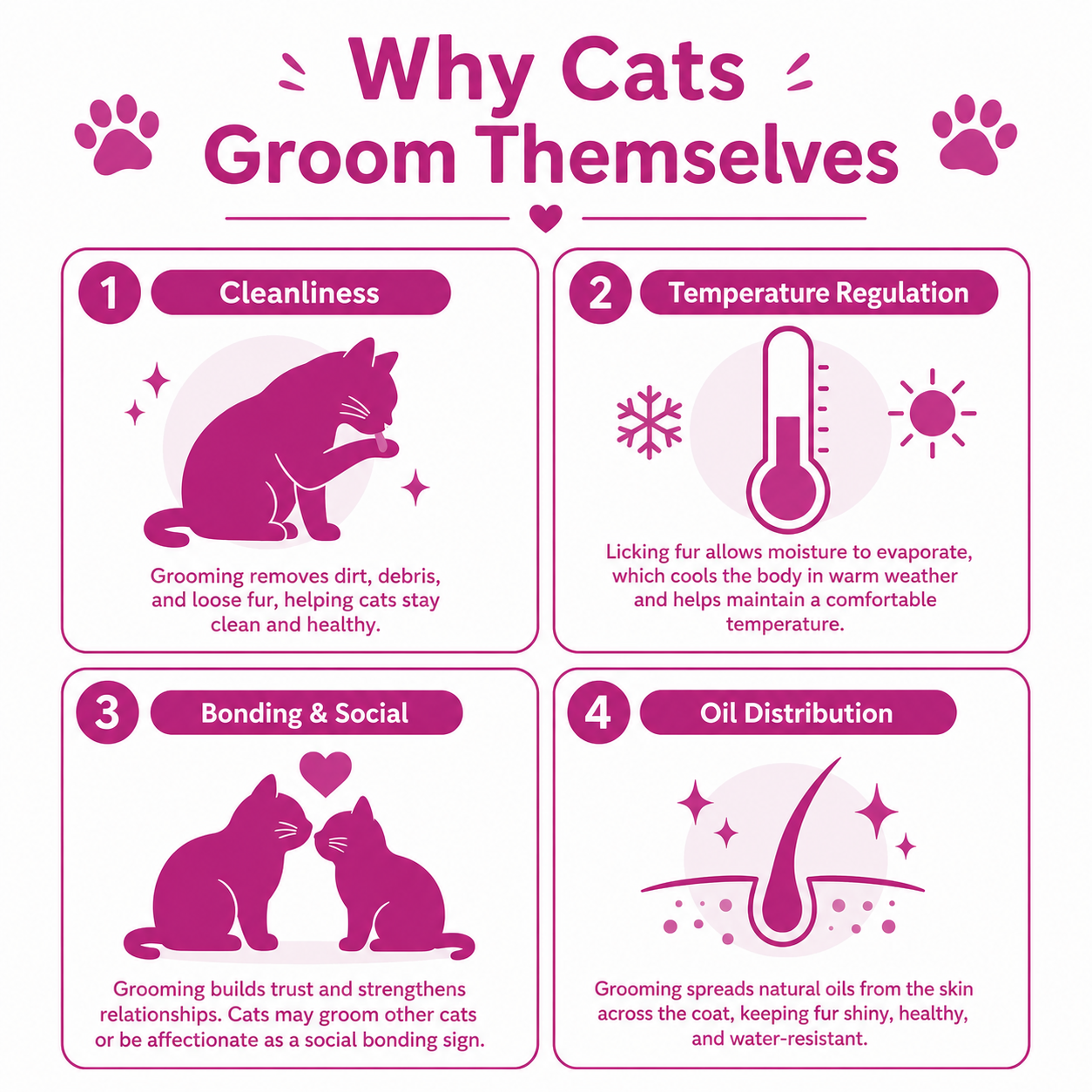
Here's what normal grooming actually does for your cat:
- Cleanliness: Cats remove dirt, debris, and parasites from their coat through licking, keeping themselves impeccably clean.
- Temperature regulation: Saliva evaporating from the fur helps cats cool down in warm weather, much like sweating does for us.
- Oil distribution: Grooming spreads natural skin oils evenly across the coat, keeping fur waterproof and skin healthy.
- Bonding and social connection: Mutual grooming between cats — known as allogrooming — reinforces social bonds and hierarchy within a group.
A healthy cat grooming normally will have a sleek, clean coat with no bald patches, red skin, or signs of distress. The licking is rhythmic, relaxed, and purposeful — not frantic or compulsive.
When Licking Becomes Excessive: Signs of Overgrooming
Overgrooming is when licking goes beyond normal maintenance, often leading to visible fur loss or skin irritation, and it typically points to an underlying cause. Once you understand why do cats lick themselves in healthy, normal ways, it becomes much easier to spot when the behaviour has crossed into compulsive territory.
If your cat is grooming itself in a strange way — compulsively licking one area, pulling out fur, or grooming to the point of creating bald patches — it's worth paying close attention. Common signs of overgrooming include:
- Thin fur or bald patches, especially along the belly, inner thighs, or base of the tail.
- Short, stubbled fur in patches where the cat has bitten or licked fur down to the skin.
- Red, inflamed, or broken skin beneath thinned fur.
- Excessive grooming sessions that are frequent, intense, and difficult to distract your cat from.
The causes of overgrooming are varied. Stress and anxiety are among the most common — a new pet, a house move, or even a change in routine can trigger compulsive grooming. Allergies (to food, pollen, or fleas), parasites, pain from arthritis or dental issues, and underlying skin conditions can all drive a cat to groom excessively too.
Because the reasons range from emotional to medical, a vet visit is the best way to pinpoint the cause and build a plan to help. Remember, asking why do cats lick themselves isn't just about curiosity — it's about knowing your cat well enough to notice when something changes.
Why Do Cats Scratch?
Scratching is often lumped together with grooming, but it serves a different set of purposes entirely. If you're asking why do cats scratch, the answer is instinct — not naughtiness. Scratching is a fundamental feline behaviour that keeps claws healthy and lets your cat claim their space.
Cats scratch to:
- Remove the dead outer husk of their claws, keeping them sharp and healthy.
- Stretch and exercise the muscles in their back, shoulders, and legs.
- Deposit scent from glands in their paw pads, marking territory visually and chemically.
- Express excitement or frustration — many cats scratch after a nap or during play.
Scratching only becomes a problem when it's directed at furniture or carpets. Providing sturdy scratching posts and pads in the areas your cat already favours will usually redirect the behaviour. Knowing how to groom a cat at home — including regular claw trimming — also reduces the urge to scratch destructively. Learn more about creating a grooming routine for your cat.
Shedding and Coat Changes: When to Be Concerned
Shedding is another commonly misunderstood grooming-adjacent behaviour. Distinguishing normal seasonal shedding from a coat change that warrants a closer look is key to knowing when to act.
Seasonal Shedding
Many cats shed more heavily during spring, adjusting their coat for warmer weather, and this is generally normal. Some breeds, particularly long-haired cats, also shed in autumn as they build a thicker winter coat.
Regular brushing during these periods — knowing how to reduce cat shedding through consistent grooming — keeps loose fur from accumulating around the home and supports your cat's own grooming efforts.
When Shedding Signals a Problem
Not all shedding is seasonal. If you notice patchy hair loss, a dull or greasy coat, skin flakes, or your cat scratching alongside the shedding, it may signal something more. Excessive shedding can point to fleas, allergies, stress, poor nutrition, or an underlying medical condition. A sudden change in coat quality or texture — fur that was once glossy becoming coarse or thin — is always worth a vet check.
Bathing and At-Home Grooming: What Cats Actually Need
There's a common assumption that cats never need help with grooming. In truth, most cats do a remarkable job on their own — but some benefit from a little support, and knowing how to groom a cat at home can make a real difference to coat health and comfort.
For short-haired cats, a weekly brush is usually plenty to remove loose fur and distribute oils. Long-haired breeds such as the Domestic Longhair often need daily brushing to prevent matting. Cat bathing is rarely necessary — cats are fastidious self-groomers — but occasionally a bath may be needed if your cat gets into something sticky, toxic, or particularly smelly. Always use a cat-specific shampoo, never human products, and keep bath sessions short and calm.
If you're dealing with lingering odour, the answer rarely lies in bathing your cat. Understanding how to remove cat pee smell and keeping litter boxes scrupulously clean often resolves home odour issues without any need to bathe your cat at all.
Read more in our guide to keeping your cat's coat in good condition.
Keeping Your Cat's Environment Fresh
Odour issues in the home are often closely tied to litter hygiene rather than the cat's grooming habits. A clean, well-maintained litter box is one of the most effective ways to keep your home smelling fresh — and your cat feeling content.
Tips for a fresher environment:
- Scoop the litter box at least once daily, and do a full litter change weekly.
- Use an enzymatic cleaner for accidents — these break down the proteins that cause lingering odour, which is the most effective approach for how to remove cat pee smell from carpets and floors.
- Provide one litter box per cat, plus one extra, in quiet, accessible locations.
- Wash the litter box itself with mild soap and warm water during each full change.
A clean environment doesn't just smell better — it supports your cat's natural cleanliness too. Cats are far more likely to groom happily when their surroundings are fresh.
Every Cat, Every Coat
Every cat grooms a little differently — and that's part of what makes them so wonderfully, purrrrfectly themselves. Whether your cat is a fastidious self-groomer or needs a gentle hand with a brush now and then, understanding what's normal helps you spot when something's changed.
Discover more about understanding your cat's grooming habits, and for a practical routine to keep that coat in top condition, explore our guide on creating a grooming routine for your cat.
Frequently Asked Questions
Yes, this is very common and usually nothing to worry about. Many cats groom after being touched as a way of redistributing their own scent and restoring their coat to its preferred state. It's a natural self-soothing behaviour. However, if the grooming is excessive or frantic after every interaction, it may be worth observing for other signs of overgrooming or stress.
Absolutely. Diet plays a significant role in coat health — a food rich in essential fatty acids like omega-3 and omega-6 supports healthy skin and a glossy, manageable coat. A sudden dietary change can also temporarily affect grooming, as cats may groom more if they experience mild digestive upset. Always transition food gradually over 7-10 days and look for AAFCO-compliant complete and balanced cat food.
They do. Long-haired cats typically spend more time grooming and are more prone to matting, since their longer fur tangles more easily. Short-haired cats groom efficiently and are less prone to mats, but can still overgroom if stressed or unwell. Long-haired breeds often benefit from daily brushing to support their grooming efforts, while short-haired cats usually need less hands-on help.
Yes — stress is one of the most common triggers for overgrooming. A new pet, a house move, changes in routine, or even new furniture can unsettle a cat and lead to compulsive licking. If the overgrooming is stress-related, it often resolves as the cat adjusts to the change. Providing safe spaces, maintaining routines, and using pheromone diffusers can help. If it persists beyond a few weeks, consult your vet.
Normal scratching is directed at scratching posts or surfaces and happens a few times a day. Flea-related scratching is more frequent, often focused on the neck, ears, and base of the tail, and may be accompanied by biting at the skin, hair loss, or small red bumps. If you suspect fleas, part the fur and look for tiny black specks (flea dirt) on the skin. A vet can confirm and recommend appropriate flea treatment.